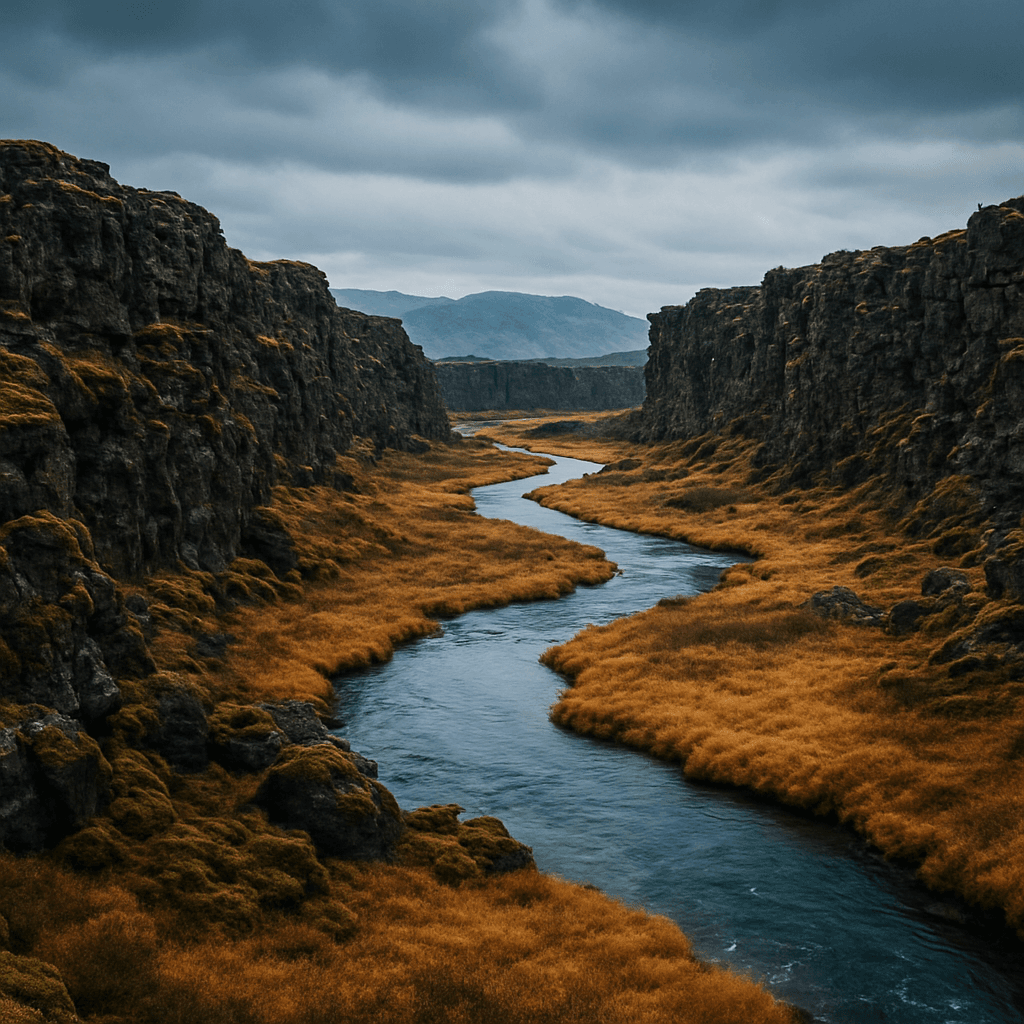
About Iceland
The land of fire and ice
Perched just below the Arctic Circle where the North American and Eurasian plates pull apart, Iceland is a young, restless island of volcanoes, glaciers, and geothermal energy — and one of the most spectacular places on earth to travel.
~390,000
Population
Reykjavík
Capital
Icelandic
Language
Króna (ISK)
Currency
30+ systems
Active volcanoes
~11% of land
Glaciers
When to go
There's no bad time to visit — each season reveals a completely different Iceland.
Summer (Jun – Aug)
The midnight sun keeps the sky bright nearly around the clock. Highland F-roads open, puffins nest on the cliffs, and every waterfall runs at full force — the best time for road trips and hiking.
Autumn (Sep – Oct)
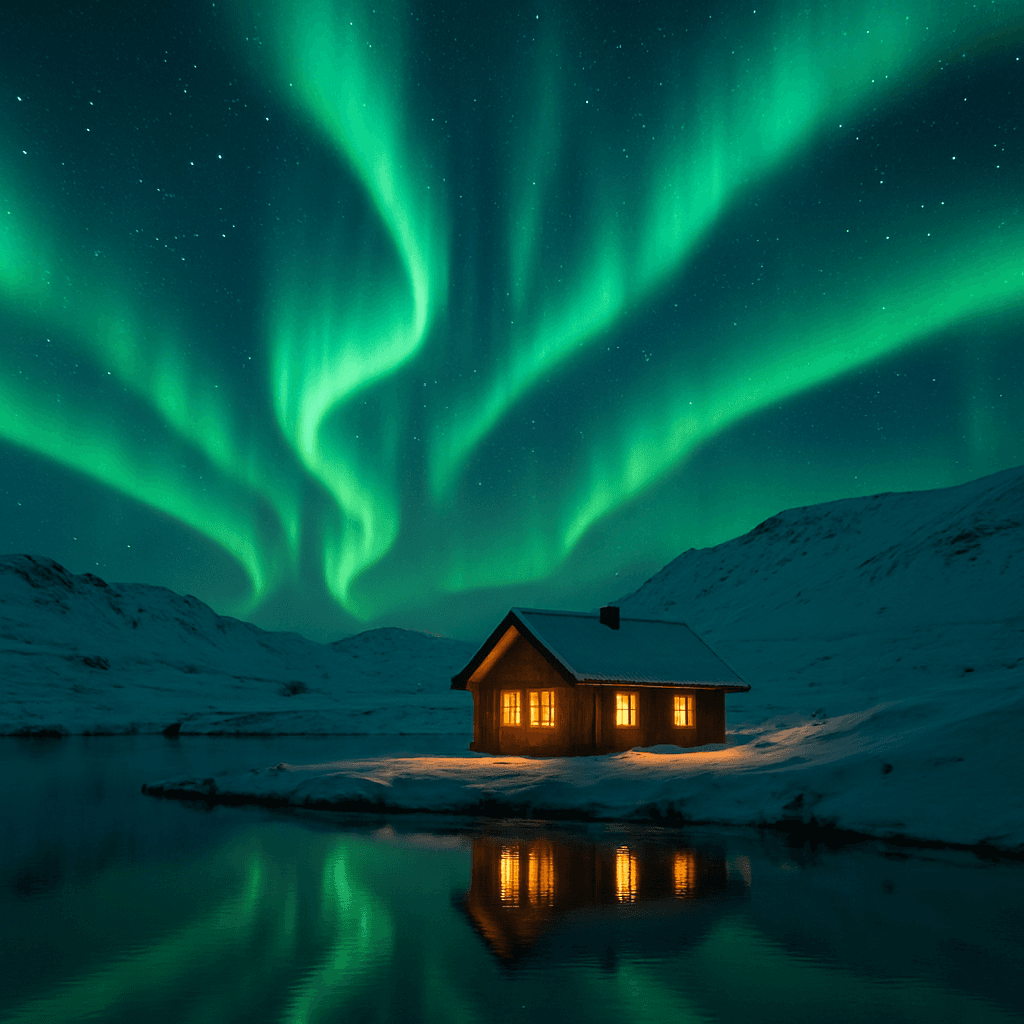
Fewer crowds, golden tundra, and the return of darkness brings the first Northern Lights of the season. A sweet spot of mild-ish weather and aurora potential.
Winter (Nov – Mar)
Long nights mean prime aurora hunting, ice caves form inside the glaciers, and snow blankets the lava fields. Days are short, so plan fewer stops and embrace cozy geothermal soaks.
Spring (Apr – May)
The shoulder season — melting snow, returning birdlife, and lengthening days with fewer travelers. A quiet, affordable time to see the icons before the summer rush.
Travel tips
Weather changes fast
Iceland can deliver four seasons in a day. Pack waterproof layers, and always check road and weather conditions before setting out.
Respect nature
Stay on marked paths, never drive off-road, and keep a safe distance from cliff edges and powerful sneaker waves on black sand beaches.
Book ahead in peak season
Popular lagoons, glacier tours, and guesthouses fill up fast in summer and over the holidays. Reserve the must-dos before you arrive.
Tap water is pristine
Skip the bottled water — Icelandic tap water is some of the cleanest in the world, straight from glacial springs.
Ready to start planning?
Browse ready-made itineraries or explore the map to build a trip that's entirely your own.